

 Home
 Blog
 Fashion
 Forum
 Gallery
 SHOP
 About
 Advertise





 Discuss anything in our forums!
What is up with short guys who act like court jesters on social media?
- Topics: Active | Unanswered

- Member
- OverTheEdge
- Short Knight
- Height: 5'5
- Location: San Francisco, United States
- Joined: May 25, 2014
- Posts: 123
- Reactions: 5
- Score: 30 | 3
- LowerViewCa$h: 121
Offline

- Member
- thepostman
- Short Vassal
- Height: 5'6
- Location: Chelsea, United States
- Joined: Oct 30, 2020
- Posts: 50
- Reactions: 4
- Score: 18 | 0
- LowerViewCa$h: 52
Offline
| SIMILAR THREADS | REPLIES | VIEWS | LAST POST |
|---|---|---|---|
|
Fall Date Ideas She'll Enjoy: A Shorter Man's Guide
Fall Date Ideas She'll Enjoy: A Shorter Man's Guide |
0 | 56 |
by
KofiOtunde

|
|
Started by
HarrellEvensen

Fall Color Palette For Shorter Men
Fall Color Palette For Shorter Men |
0 | 55 | |
|
Started by
StevePark
The Deal With Leg Lengthening
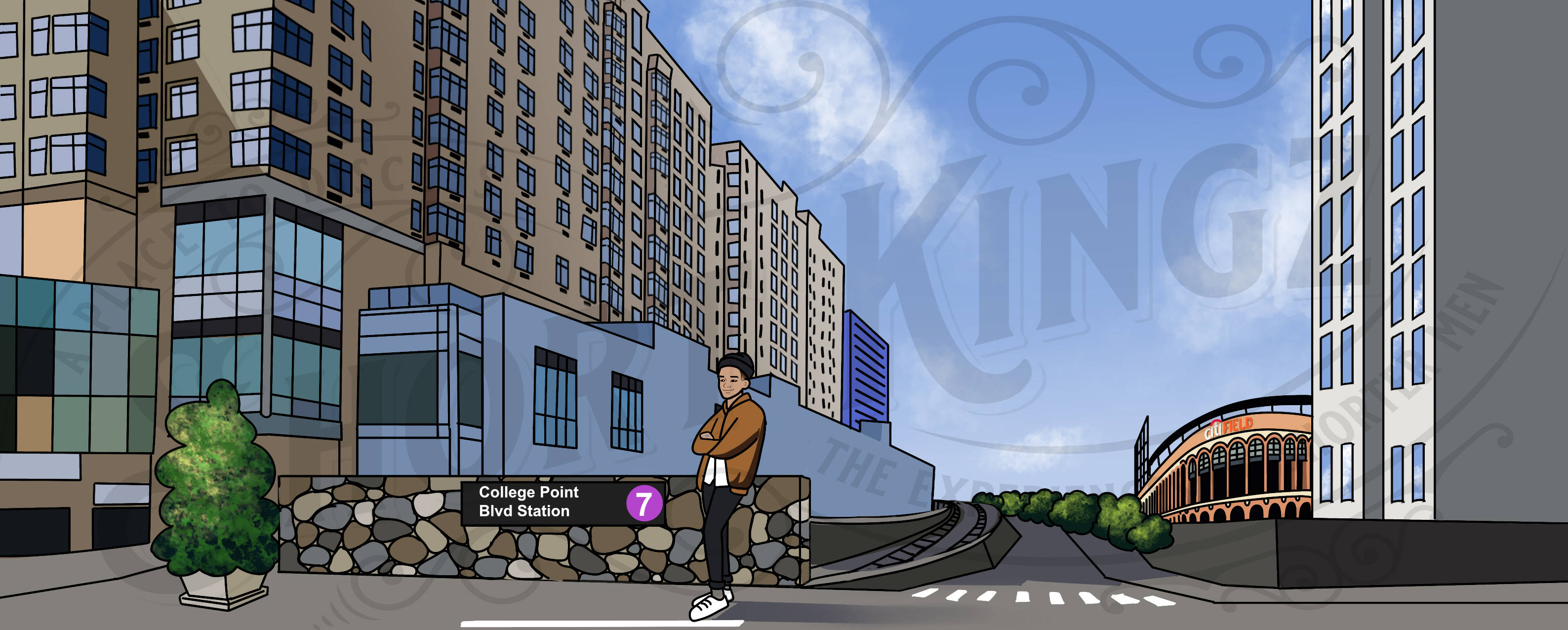
I remember the first time I ever heard about leg lengthening. It was in 2009 and I was about to enter the final year of my twenties. I was surfing early YouTube and checking both my MySpace and Facebook accounts (remember those days?). Barack Obama had just entered the White House and people all over the country were panicking about their finances. I have zero idea why this appeared on my feed, but a news story popped up about some Indian-American student in Florida paying $80,000 (yes, you ready that correctly) just. to become two inches taller? Really? Did some kind of medical breakthrough emerge that would allow people (read: shorter guys) who already passed puberty the “privilege” of growing taller still? Is the “curse” of being short now a thing of the past? Not quite. Read on.
Introduction
What a mind screw that was. Even at that age, I thought to myself, who has $80K to drop to do such a thing. Now, I wasn’t interested in this surgery for myself, but in the procedure for my own knowledge. Well, learning about it did it for me. They intentionally cut bones in your legs, put on an external metal fixator, have you turn rods one millimeter a day for close to two months (i.e. two inches). You have to be careful, as infections can occur at the sites where the pins of the fixator make contact with your skin, and then all of this is followed with months of physical therapy. Who has the time for this? What if you’re a career guy? What if you can’t take more than two weeks of vacation from your job? Then, what will you tell people when they try to figure out how you grew at 28, 32, 41, or whatever.
Okay, so that is how long ago my discovery of this was. Things have changed significantly since then. At this time, it appeared that a number of doctors (enough to count on one hand) offered such a procedure. Now, doctors all over the world provide this. The technology has gotten better. They can insert rods into your bones. This is still not a quick in and out surgery. You have to be monitored for months and you may not be back to normal for a year or two. Yes, all for a few inches. The price of this procedure today, at least in the United States falls in the $80K-$130K range.
Going back to the rabbit hole, around this same time, I came across forums where people discussed their journey. From discussing what drove them to the procedure. For many, it was the feeling of inadequacy, exhausted from constantly being underestimated, being rejected from the vast majority of women they approached or being mocked by women they didn’t approach. Some of these posters were as young as nineteen and as old as sixty. Who at sixty years old, would still be bothered by this? Well, on this forum you found hundreds who were most likely quiet about this in the real world. Some were even married! Go figure.
Okay, with this long introduction, I am in no way disparaging the recipients of said surgery. Even as successful as I have been as a compact gentleman, every one of these sentiments echoed by the people on that forum I have experienced in some form? So why them and not me? I do not say this to put down anyone, but I am okay with who I am and really could care less what others think (most of the time). I have worked hard for my lot in life and know too many taller individuals who may be winning on the social scene (more like won when they were younger, but now not so much), but are not feeling as at peace and as accomplished as myself. Still when I read about the many who are now a bit more open with preparing for and going through the journey, I usually say to myself, “ I get it”.
How It Became A Thing
The surprising things are the facts from research. Leg Lengthening was developed by Soviet Doctor Illazarov in 1951. This means the procedure is nearly eighty years old, though originally, it was intended to correct leg deformities, not for cosmetic purposes. The procedure predates silicone breast augmentation, which is now a common procedure for women by about eleven years (Timmie Jean Lindsay was the first woman to receive silicone breast implants via surgery in 1962). It also predates Gastric Bypass surgery, the de facto procedure to force weight-loss (before Ozempic became the holy grail) by about fifteen years. I make these comparisons because these tend to be the most talked about sources of female insecurity, envy and dysmorphia.
In the current social and new media spaces, just the idea of a man undergoing this procedure is typically met with vitriol. “Accept yourself”. “All of that for just a few inches”. “Enjoy being crippled from now on”. “Your kids will still be short”. Seldomly will you find this backlash with the same intensity directed toward breast augmentation, gastric bypass, Ozempic usage, hair transplants, Brazilian but lifts, or pick your cosmetic procedure. “Hey, your kids won’t inherit that new nose either?” might be the appropriate response. This is not to say that there isn’t any strong criticism toward other procedures, but not quite with this gravity. View posts on social media or or comments in online articles for the latter. You’ll find plenty of critics, but also many defenders. This does not seem to be the case with LL. Almost unanimously will you see disappointment, shunning and shaming. The same people with this attitude will be the first to scold the patient for going in this direction and will find a way to insult him for his height on the same post.
The Ugly
About ten years ago (sheesh, it’s been that long), I read an article in the magazine Medium about an Indian American woman who mourned for her genius brother who went on to work for some big tech companies after college because he passed on due to complications from cosmetic leg lengthening. I remember being a bit unnerved because while she recognized that being under average height plagued him, and that she used to clown him for his height, and that she flaunted her monolithic height preference, she still managed to blame his “patriarchal views” and “misogyny” for his own death. She then painted herself as the victim (of said patriarchy) for the majority of the article, i.e., the death was a minor footnote, her blaming him for her own problems was the bulk of the writing. Yuck.
Well, yes, complications can arise from this procedure, and death is a remote, but rare possibility. This seems to be the faux-source of a lot of the harsh criticism of LL. I have to say, “So?!”. There are no overall stats to track deaths from the procedure, however, data from pooled cohort studies show a zero percent fatality rate. Severe complications include nerve damage, hardware failure and bone healing. The percentages there are five percent on the low end. How about other cosmetic procedures? Capsular Contracture (hard scar tissue squeezing an implant) affects around 19% of breast augmentation patients. At least once or twice a year, I read news reports of people dying on operating tables from Brazilian butt lifts (modern estimates 1 in 14,900). Overall complication rates from LL fall in the 35% with the majority of them being infections near fixature pin sites. BBLs on the other hand have a complication rate of 38%. What is the point of these comparisons? It is not to disparage those who undergo BBLs, breast augmentation, rhinoplasties, etc. Rather, all surgeries have complications risks. All. Period. Full stop.
But LL isn’t a BBL. It requires months to recover, and as pointed out earlier, a year or more to return to complete normalcy. There is always a possibility of some issue down the line. On that note, there are plenty of stories about implants rupturing years down the line. You get my point. You need your legs man (you need your other body parts too, but how will get walk to the train if you’re out of commission due to complications?) It’s why orthopedic surgeons get paid so much.
The New Ones
|
0 | 201 |
by
StevePark
|
|
Started by
HarrellEvensen
Fall Boot Guide For Shorter Men
Wow, just wow! Temperatures finally hit the sixty-degree mark for a few consecutive days here in the concrete jungle known as the City Of New York for the first time in months, and I’m seeing some brave heroines adorn some sleek knee-high boots along with longer shirts and ripped jeans, click-clacking their way across crowded crosswalks in both midtown Manhattan and Downtown Brooklyn. All of these things combined with the sun positioned almost directly over the equator must mean one thing—Fall is near! In fact, it really is! In just a few days, Summer will be officially gone! For us shorter men, this means those low-tops, flip-flops and no-show socks are about to be shelved for the next six months or so (along with those white sneakers – you know the supposed “no white footwear after Labor Day” rule). Boots must make their way to the front! Otherwise, we’ll be cleaning leaf slime from our sneaker soles. To prepare for the coming gorgeous peak foliage, we’ve decided to compile a boot guide just in time for the pumpkin spice and apple-picking. Without further delay (come on and take in some of those images we just spoke about, don’t be a boring Bob!), gentleman, welcome to the Fall Boot Guide for Shorter Men.
A Fall Back Into History
Gentlemen in Victorian Britain popularized Balmoral boots—sleek lace-ups named after Balmoral Castle, while the Chelsea boot, with its elastic sides, rose to popularity. In the 1900s, work boots like moc-toe wedge styles transitioned from factory floors to casual and dress casual fashion, while harness boots pointed toward a rebellious spirit via a growing motorcycle culture. Yeah, “Bad-To-The-Bone” (think of every guy you’ve ever seen annoyingly revving their motorcycle engine on the highway next to your car, or worse yet, at three-o-clock in the morning up a hill in your neighborhood).
These days, boots strike a balance: practical enough for the fall weather, yet stylish enough to pair with jeans, chinos, or even suits if done right. For us shorter men, we also get to enjoy a very modest lift since most boots have a slight heel, or at the very least, a pretty thick sole to hold up to the elements while remaining functional.
Fall Boot Types Every Man Should Know
Chelsea Boot The Chelsea boot is minimalism at its best. Defined by its elastic side panels and pull-on tabs, it’s sleek, versatile, and ankle-skimming. Black or brown leather or suede Chelseas pair effortlessly with slim trousers or dark denim, making them a go-to for those who want clean lines without visual bulk. Dressy in appearance, they add just enough formality to make you look like you’re going somewhere special. Examples: Red Wing, Thursday Boot Company, Blundstone, Call It Spring, Morjas
2. Balmoral Boot The Balmoral is the embodiment of formality. It features closed lacing, often in polished leather, with a seamless look that complements tailored suits and well-fitted chinos. Because of its slim profile, it commands attention without widening the foot. For those aiming for a pairing with denim, add a simple cuff for businessman-on-the-weekend or entrepreneur vibes. Add a cardigan and scarf, and you’re ready to take over the world, or at least a trip on Fifth Avenue. Examples: Allen Edmonds, Beckett Simonon, Carmina, Cobbler Union, Aldo
Chukka Boot This funny-sounding boot (at least to me—I laugh just saying it) gets its name from the sport of polo, where chukka refers to a period of play. Casual but refined, chukkas typically feature two or three eyelets and hit just above the ankle. Suede chukkas in earth tones are perfect for fall weekends, while leather versions can transition into business casual settings. They’re high enough to qualify as a boot, but low enough to retain a shoe-like appearance. If they’re good enough for Lenny Kravitz (we published an article on his style choices some time ago), then they’re good enough for the everyday guy who wants to exude a bit of humble hipness on a cool breezy day walking around downtown. Examples: Clarks, Padmore & Barnes, John Lobb, Astor Flex, DSW
Captoe Dress Boot My absolute favorite boot because they can be paired with just about anything and can even make a casual outfit look more than casual. I am being a bit biased because I love captoe shoes, so then what better way than to get the best of both worlds (boots and shoes) and make any ensemble look spectacular? With a horizontal stitching line across the toe, captoe boots strike the balance between formal and everyday wear. Black versions work well with suits, while brown versions transition easily into smart-casual outfits. Rather wear denim? With a nice solid or plaid button down, cardigan or v-neck sweater and leather jacket, add shoe polish and you’ll look like you own something or are about to own something. From the Upper West Side to the Upper East Side, you’ll look like you belong when you slip into some captoes.
Oxford & Wingtip Boots As the name implies, these resemble oxford shoes, making them easy to pair with formal or dress-casual ensembles. Oxfords got their start from students in 1800s England, who wore half-boots with side slits called “Oxonians” rather than the stiff knee-high boots of the day. Plain Oxford boots do not have stitched cap toes, so have a plainer appearance. Wingtip boots, on the other hand, feature a W-shaped toe cap along with perforations around the tip and sides of the boot like their Wingtip shoe counterparts. Those perforations add nice accents and style to what would otherwise be a plain affair, and as a bonus, provide a bit of ventilation. Just for clarity, Wingtip and Oxford boots can also be cap toes, which means these classifications can overlap. While I personally would rather wear wingtip shoes than wingtip boots, their existence provides more options for those who want formal aesthetics with cooler weather functionality. In my book, they are perfect to pair with darker jeans, button-downs and double-breasted cardigans—a dress-casual gentleman’s delight.
Harness Boots Get ready for the ride, because that’s where these boots originated. Gaining popularity in motorcycle culture, its straps and rings lend a rugged and rebellious feel, making it a great statement piece for casual outfits—think “Uncle Jesse” from Full House (or you can always watch “Fuller House” if you’re not interested in time traveling to the past). These are not boots that you’d want to wear to the eight o’clock meeting in the office, but they would look great on a night out to the bar or brewery, for a stroll on your typical fall Saturday afternoon or to your favorite classic rock concert. Think jeans, think a leather or suede jacket and your favorite flannel or button-down shirt. If you’re into studs on your outerwear, you can lean into your inner “Uncle Jesse”—I think John Stamos might approve.
Moc-Toe Wedge Boot
In my opinion, these are your “fall classics”. If you’re an older millennial or younger gen-xer, the mid-‘90s “Eastlands” craze will bring back some fond memories (or if you couldn’t afford them like me, then those Payless knockoffs might invoke the same feeling lol). Moc-toe wedge boots are generally built for durability and comfort, with a moccasin-style and thick rubber sole. Traditionally a work boot, they have crossed into streetwear and casual fashion, pairing best with raw denim or flannel layers. Opting for higher quality leather exteriors with a nice thick sole can have you feeling like you’re walking on air, especially on the tough and sometimes unforgiving city concrete in the urban streetscape of your choice. Here in New York City, I can’t go one year without seeing them being worn by many once the crisp weather kicks in.
Materials
Boot Material goes further than appearance – it’s about function, durability, occasion and what’s allowable depending on the forecast. Here we will cover the most common fall boot materials:
Leather
We recently published a leather jacket guide, and while we’re talking about boots, the same conversation about materials apply here. Leather is classic, durable and versatile. Polished calfskin works for formal boots, while full-grain or tumbled leather suits casual designs. Expect the same best practices for keeping leather jackets in great condition to apply here. Wear them proudly, but protect them from punctures and rips — you’ll feel the pain more than the leather. Shoe trees are my best friend to keep those creases at bay—creases will have everyone looking at them instead of admiring your fashion sense, especially here in the five boroughs.
Suede
There’s something regal about suede. It’s soft texture creates a more relaxed, but refined look. Working best with chukkas and Chelseas, especially in a fall hues like taupe, brown and navy, they’re perfect for both sunny and overcast fall days, but are not the go-to the moment the sky gives and H20 begins its descent. Protect them from the elements and you’ll wow onlookers every time you put them on your feet (as long as your ensemble looks great of course—we all can’t be Times Square’s naked cowboy).
Rubber
Typically used for soles, rubber provides traction and weather resistance. Full-rubber boots are more functional than stylish, but useful when weather becomes a challenge. Rainy days? Snow days? The proverbial Nor-easter? Rubber boots will be your go-to. Stylish options do exist. Knee-high wellington-style will always get the nod from me as they provide the best protection for your feet and pants and look great with formal outfits. For those looking for a lower profile, ankle and calf-high options exist. Rain boots in the Chelsea style are also fairly easy to come across. Unlike your grandpa’s department store, there are plenty of choices in this category here in the present.
Nylon
Lightweight and durable, nylon appears in tactical or hiking boots. It’s functional, but generally less stylish for dressy settings. You’ll find plenty of hybrids though—plenty of weather boots feature nylon tops with insulated lining along with rubber or polyurethane bottoms. Ugg boots come to mind. When you’re nearing the end of the season, these may end up in the front of your closet. You can check out our Winter Boot guide and upcoming Hiker’s Guide for more examples of nylon or nylon “hybrid: offerings.
Fall Colors
We have an upcoming article about the Fall Color Palette where we’ll do a deep dive, but we’ll keep it simple here. You already know that autumn is about rich, earthy tones. Boots are no exception.
The most versatile for casual and business casual wear. You can’t go wrong with brown. From Chelseas to Oxfords, brown just works.
Burgundy/Oxblood
Tan
Another fall staple, though I’m cautious about what I pair this with. Best for casual fall outfits with denim or chinos, but I personally pair tan with lighter denim. If you have to wear dark colors (i.e. black pants and a black shirt), I’d be sure my outwear or accessory (i.e. hat or scarf) matches, or is a lighter color to add some overall contrast.
Black
Come on… Do we even need to discuss this? Black almost always works. It adds formality, sharpness and pairs well with suits, monochrome getups, casual outfits and anything in between. If not suede, then it’ll hide dirt and hold up the elements a bit better as a bonus. Add a bit of gloss (just a little bit) and you’re ready to a bit of class to any dress casual outfit. With black, you can’t (or rarely cant) go wrong.
Navy And Forest Green
Outfit Ideas |
0 | 169 | |
|
Tall Woman Livid Short Women Want Taller Men
5'6 men need love, but not from her. Tall men want love, but not from her. Go figure... |
0 | 438 |
by
RhettPaul
|

.png)


