


 Home
Home Blog
Blog Fashion
 Forum
Forum Gallery
 SHOP
SHOP About
About Advertise






 Discuss anything in our forums!
The Winter Sweater Guide for Shorter Men
Practical fits, smart layering, and how to stay sharp through the cold months
Published December 2025
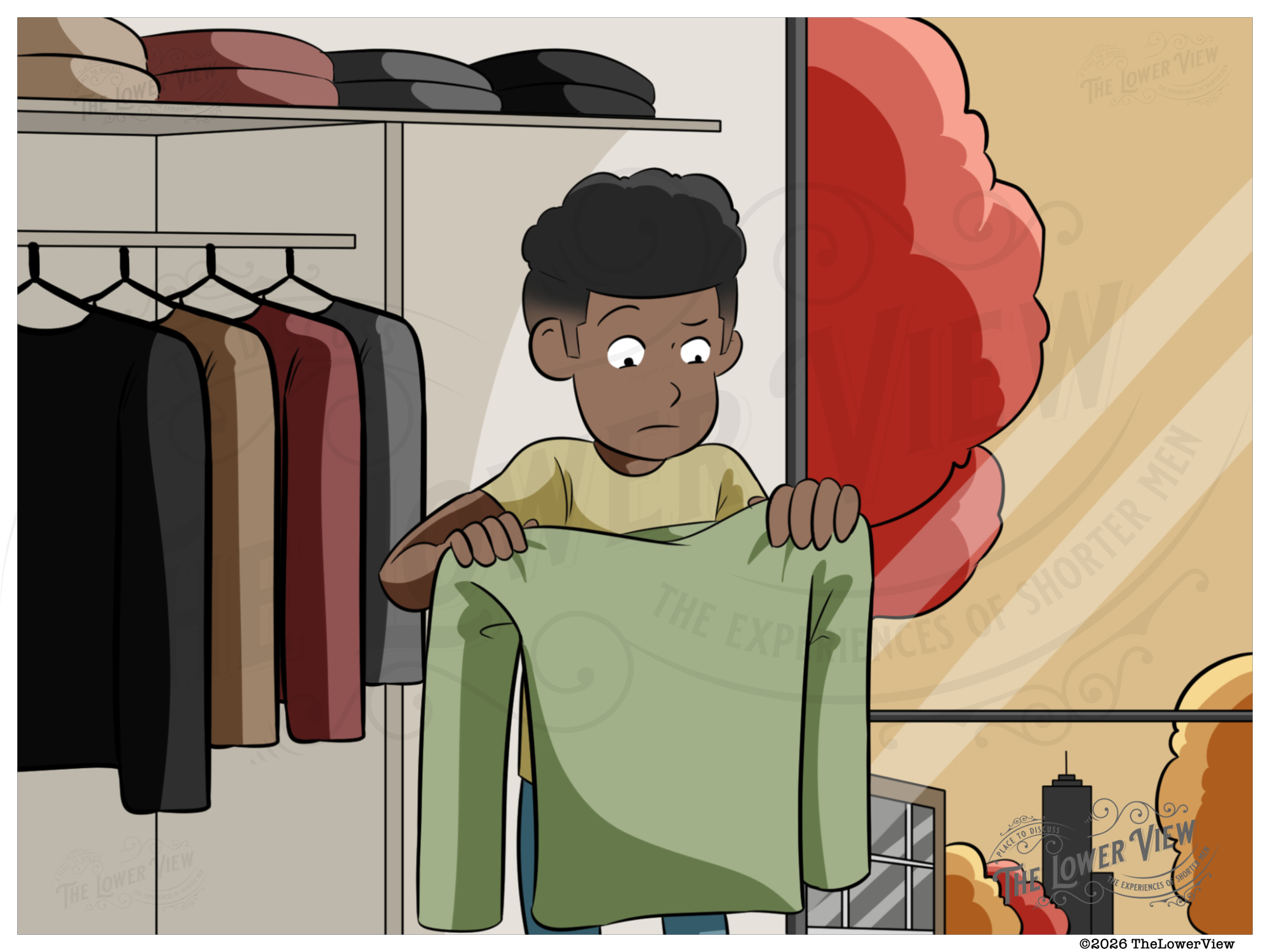
With the holiday season coming to a close and New Year’s knocking on our door, we’re all heading back to reality… winter.
Yep. That’s it. No more festive distractions. No more excuses to dig through your closet for anything with red and green, intentional ugliness, or—worse yet—holiday onesies (the horror). What remains is the long stretch of cold that follows, where getting dressed stops being about novelty and starts being about survival.
See Also: Winter Coat Care Guide For Shorter Men
Now it’s time to pull out the pieces that will keep you warm, functional, and mentally sound for the next eighty days (that is when spring starts, right?). But gentlemen, this does not mean letting style laziness take over. “New year, new you” might be a cliché, but winter is exactly when most men stop trying—and it shows.
Sweaters are one of the few winter staples that can be both practical and sharp when chosen well. With this guide, we’ll cover the most common sweater types, the textures and materials worth owning, and realistic ways to pair them so you can walk into the first months of the new year looking intentional, put together, and comfortable.
Gentlemen, welcome to the 2026 Winter Sweater Guide for Shorter Men.
TABLE OF CONTENTS
▪ SWEATER TYPES▪ TEXTURES▪ MATERIALS▪ RELIABLE COMBINATIONS▪ CONCLUSION
SWEATER TYPES
Not all sweaters serve the same purpose. Some are versatile workhorses, others are situational, and a few should be treated as optional tools rather than daily staples. Walk into any clothing retailer and you'll find tons on display. Let's go over the differences.
CREW NECK SWEATER
The crew neck is the foundation of any solid winter wardrobe. It’s clean, familiar, and easy to wear without much thought.
Crew necks work well on their own or layered over a button-down. They’re appropriate for casual settings, business-casual environments, and everything in between. Keep the fit close to the body without being restrictive, and avoid excess fabric bunching at the waist or sleeves.
If you’re building a sweater rotation from scratch, start here.
V-NECK SWEATER
V-necks offer a slightly more polished alternative to the crew neck and work especially well when paired with a collared shirt.
The key is moderation. A subtle V creates visual openness without drawing unnecessary attention to the chest. Overly deep or wide V-necks can feel dated and should be avoided. Stick to classic cuts and lighter knits that layer cleanly. I'm a fan of V-necks over crew necks.
CARDIGAN
Cardigans are often overlooked, but they’re one of the most versatile sweaters you can own.
They work well in transitional indoor settings, offices with inconsistent heating, or social situations where you want flexibility. Worn open or lightly buttoned, cardigans add dimension without feeling bulky. Keep the length reasonable and the fit structured rather than slouchy.
ZIPPER SWEATERS - QUARTER ZIP & FULL ZIP
Zippered sweaters sit firmly in the casual-to-smart-casual category.
Quarter-zips are the more refined option and pair nicely with collared shirts or tees. Full-zip sweaters lean more relaxed and are better suited for weekends, travel, or casual outings. Avoid athletic cuts and heavy branding, which can cheapen the look.
PULLOVER / BUTTON PLACKET SWEATERS
These offer a middle ground between structure and ease.
Button plackets add visual interest without overwhelming an outfit and give you flexibility depending on temperature and setting. They work particularly well with simple pants and clean footwear, allowing the sweater itself to do the work.
HENLEY SWEATERS
Henley sweaters bring a rugged, casual feel and should be used intentionally.
They’re best kept simple, with short button plackets and minimal texture. Overly thick or exaggerated styles can feel sloppy. When done right, a henley sweater is relaxed without looking careless. Athletic and muscular builds make Henleys pop.
HOODIE
Yes, hoodies count—but they shouldn’t dominate your winter wardrobe.
A well-fitted, minimal hoodie works for errands, lounging, or casual layering. Avoid oversized cuts and loud graphics. Think of hoodies as a utility piece, not a statement.
TURTLENECK
Turtlenecks are a strong stylistic choice and not for everyone—but when they work, they work well.
Fine-gauge turtlenecks in neutral colors can be dressed up or down and offer a sleek, modern look. Heavy or loose versions tend to feel clunky, so keep it refined and intentional. A more recent trend is wearing turtlenecks under blazers.
See Also: Winter Fashion Accessories Shorter Men Should Own
TEXTURES
Texture adds depth to winter outfits, but balance is key.
SOLID
Solid sweaters are the easiest to style and the most versatile. They pair effortlessly with textured pants, jackets, or footwear and work in almost any setting.
RIBBED
Ribbed sweaters add subtle interest without being loud. Narrow ribbing is more refined and easier to integrate into a rotation than wide, chunky ribs.
FAIR ISLE
Patterned sweaters should be worn sparingly. Muted colors and smaller patterns are easier to style and less visually overwhelming. These are best saved for casual settings. Tons of stylish options (technically speaking: unfairly labeled ugly Christmas sweaters also fall in this category)
CABLE KNIT / ARAN
Cable knits are warm and traditional but naturally heavier in appearance. They work best as standalone pieces with simple pants and shoes, rather than layered under jackets. I have a love-hate relationships with these, but you can make them work.
MATERIALS
Material choice affects comfort, durability, and how a sweater holds its shape over time.
CASHMERE
Lightweight, warm, and comfortable. Cashmere works especially well for layering and polished casual looks.
MERINO / WOOL
Reliable and versatile. Merino wool in particular offers warmth without stiffness and maintains structure with proper care.
ALPACA
Soft and warm, though sometimes fuzzier in texture. Best used in simpler designs and darker colors.
COTTON
Comfortable but less insulating. Best for mild winter days or indoor wear.
RELIABLE COMBINATIONS
- Solid sweaters with corduroy pants
- Textured sweaters with solid shirts and pants
- Button-downs under crew or V-necks
- Sweaters with dark jeans and clean shoes
- Cardigans with chinos
Advertise With The Lower View And Reach 100,000+ Per Month!
CONCLUSION
Don’t let memories of oversized sweaters with horrid designs—or matching holiday cardigans meant to impress relatives—keep you from building a winter wardrobe that works.
With thoughtful choices in texture, material, and pairing, sweaters can turn casual into refined and comfort into something deliberate. Winter dressing doesn’t have to be lazy or forgettable.
At The Lower View, the focus has always been on a grounded approach to style—what actually works, what feels good to wear, and what holds up in real life. This guide is meant to be something you return to throughout the season, not a one-time read.
Look good, feel good, and stay warm.
Like This Article? Chat About It And More On Our Forum For Shorter Men
.png)


[0 Comment]